Home → Prescription Opioid Addiction Treatment
Prescription Opioid Use Disorder Treatment

Prescription Opioid Addiction Treatment: Medications, Rehab, and Recovery

Prescription opioid addiction is treated clinically as opioid use disorder (OUD). It can develop in connection with medications such as oxycodone, hydrocodone, morphine, codeine, or other prescription opioids.

Some people first receive opioids legitimately for pain after surgery, injury, or another medical condition. Having been prescribed an opioid does not mean someone has done anything wrong, and physical dependence alone does not automatically mean addiction. OUD involves a broader pattern of opioid use that causes significant impairment or distress.

Treatment can include medications for opioid use disorder, withdrawal management when needed, counseling, mental health services, pain management, inpatient or outpatient treatment, overdose-prevention planning, and continuing recovery support.

FDA-approved medications for OUD include buprenorphine, methadone, and naltrexone. U.S. Food and Drug Administration

Find Drug Rehab Options provides educational information and treatment-matching support. We are not a medical provider and do not provide medical advice, diagnosis, or treatment.
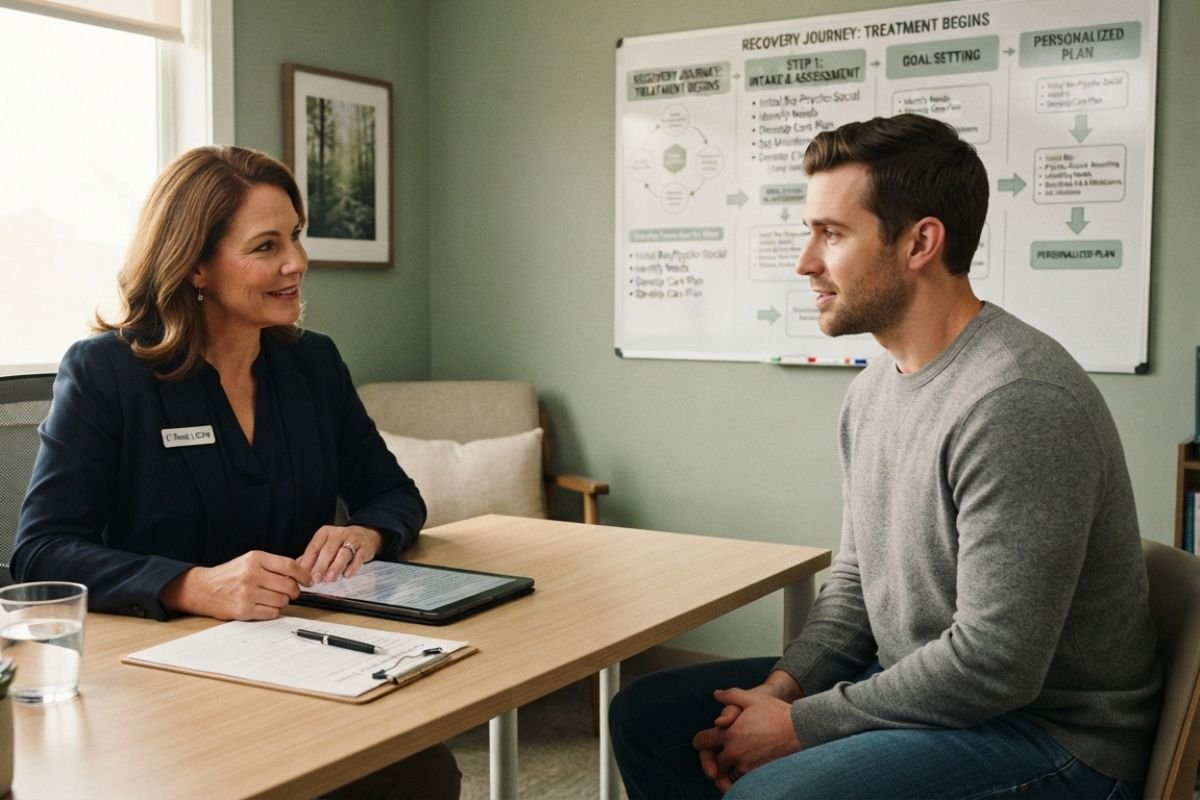
Adult discussing prescription opioid addiction treatment with a behavioral health professional
Quick Answer

How Is Prescription Opioid Addiction Treated?

Prescription opioid addiction is treated as opioid use disorder. Treatment commonly begins with an assessment and may include buprenorphine, methadone, or naltrexone, medical care, counseling, behavioral treatment, mental health services, pain-management planning, and recovery support.

Some people need withdrawal-management services, while others can begin OUD medication in an outpatient setting without first completing a residential detox program.

Treatment can take place in primary care, addiction medicine, an opioid treatment program, outpatient rehab, residential treatment, or several settings over time.

Importantly, detox alone is not considered adequate treatment for OUD. CDC recommends evidence-based medications and warns that detoxification without ongoing MOUD increases the risks of returning to opioid use, overdose, and overdose death. CDC

Understanding Prescription OUD

What Is Prescription Opioid Addiction?

Prescription opioids are medications that may be prescribed for moderate to severe pain. Examples include oxycodone, hydrocodone, morphine, codeine, hydromorphone, and other opioid medications. CDC

Opioid use disorder occurs when opioid use develops into a problematic pattern that interferes with health, safety, responsibilities, relationships, or other areas of life.

A person may use more medication than intended, find it difficult to cut down, experience strong cravings, spend increasing time using or recovering from opioids, or continue using despite serious consequences.

However, misuse, dependence, and addiction are not identical.

Physical dependence means the body has adapted to repeated opioid exposure and withdrawal can occur when use stops. OUD involves a broader clinical pattern of problematic use.

This distinction is especially important for people who have been taking opioids under medical supervision.

2024 U.S. Data

How Common Is Prescription Opioid Misuse?

7.6 million people aged 12 or older misused prescription opioids during the past year in 2024.
3.4 million reported misuse involving hydrocodone products.
2.1 million reported misuse involving oxycodone products.

SAMHSA's 2024 National Survey on Drug Use and Health estimated that 7.6 million people aged 12 or older misused prescription opioids during the past year, representing about 2.6% of that population. This was down from 8.5 million in 2021. Hydrocodone products were the most commonly misused prescription opioid subtype in the survey, reported by approximately 3.4 million people who misused prescription opioids. Oxycodone products were reported by about 2.1 million. SAMHSA

These numbers refer to misuse, not automatically to opioid use disorder. Someone who misuses a prescription opioid does not necessarily meet diagnostic criteria for OUD.

That distinction is important when discussing treatment.

Starting Care

How Does Treatment Begin?

Treatment should begin by understanding the person's actual situation rather than assuming everyone taking prescription opioids needs residential rehab.

An assessment may consider which opioid is being used, how long it has been used, whether it was originally prescribed for pain, current dosage patterns, withdrawal symptoms, cravings, previous overdose, other substance use, medications, physical health, mental health, previous treatment, and treatment goals.

Pain should also be discussed.

Someone who developed OUD while receiving treatment for an injury or chronic condition may still have legitimate pain that requires care.

Learn how rehab works →

Clinician and patient discussing an individualized prescription opioid addiction treatment plan
1
Assessment
2
Safety & Withdrawal
3
Treatment Plan
4
Progress Review
5
Continuing Care
Withdrawal Management

What Happens During Prescription Opioid Withdrawal?

Regular opioid use can produce physical dependence.

When opioid levels fall, withdrawal symptoms may include anxiety, restlessness, sweating, muscle aches, difficulty sleeping, abdominal discomfort, nausea, vomiting, diarrhea, and cravings.

Withdrawal experiences vary based on the medication, duration of use, other substances, medical conditions, and individual circumstances.

Someone taking long-term prescribed opioids should not suddenly stop medication based on general information online.

CDC advises clinicians to avoid abrupt discontinuation or rapid dosage reduction in physically dependent patients unless there is a life-threatening concern. Sudden discontinuation can produce substantial withdrawal and other harms. CDC

Read the drug detox programs guide →

Withdrawal Management Is Not the Same as Complete OUD Treatment.
Detox vs Ongoing Care

Is Detox Enough for Prescription Opioid Addiction?

No.

Withdrawal Management

Withdrawal management may help someone stabilize and manage immediate withdrawal symptoms.

Ongoing OUD Treatment

Cravings, mental health symptoms, pain, stress, recovery-environment problems, and overdose risks may continue after withdrawal ends.

Medication treatment can therefore be particularly important.

CDC recommends offering or arranging evidence-based MOUD rather than relying on detoxification alone. CDC

A person should also not assume that “getting off every opioid medication” is automatically the goal. For someone with OUD, medications such as buprenorphine or methadone can themselves be appropriate long-term treatment.

Medication Treatment

What Medications Are Used for Prescription Opioid Addiction?

Prescription opioid OUD is treated using the same FDA-approved medications used for opioid use disorder more broadly: buprenorphine, methadone, and naltrexone. U.S. Food and Drug Administration

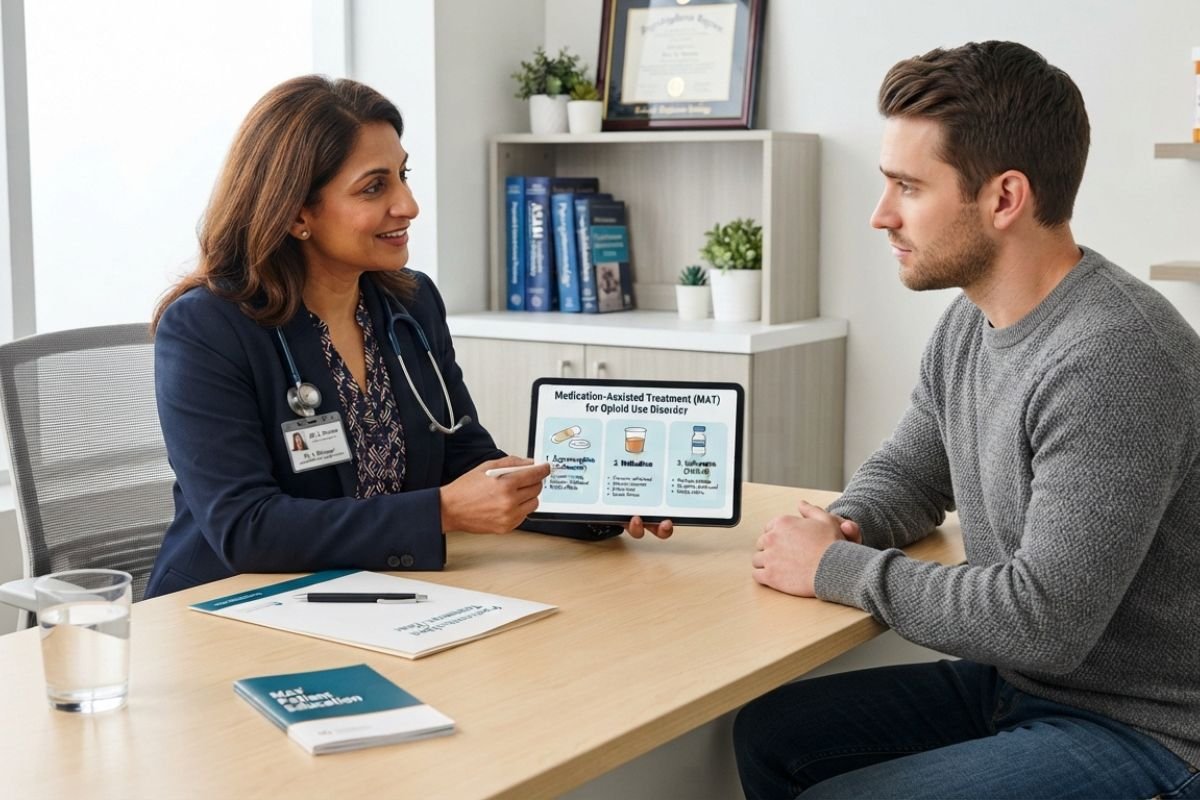
Clinician discussing medications used for prescription opioid addiction treatment
Partial Opioid Agonist

Buprenorphine

Buprenorphine is a partial opioid agonist that can reduce withdrawal and opioid cravings.

It can be prescribed in office-based healthcare and other eligible settings. The former federal X-waiver requirement has been eliminated, although clinicians must still meet applicable prescribing requirements. FDA

Full Opioid Agonist

Methadone

Methadone is a full opioid agonist used to reduce withdrawal and cravings and help stabilize opioid use.

In the United States, methadone used specifically for OUD is generally provided through certified opioid treatment programs.

Opioid Antagonist

Naltrexone

Naltrexone is an opioid antagonist, meaning it blocks opioid receptors rather than activating them.

Extended-release injectable naltrexone is approved for OUD. An appropriate opioid-free period is needed before treatment begins, so initiation should be managed by a qualified clinician.

Coordinated Pain & OUD Care

What If Someone Still Needs Treatment for Pain?

This is an especially important issue in prescription opioid addiction treatment.

Developing OUD does not mean that pain suddenly disappears.

Someone may still be recovering from surgery, living with chronic pain, managing an injury, or receiving care for another condition.

CDC advises that people with both pain and OUD still require appropriate pain management. Nonopioid medications and nonpharmacologic treatments may be considered when appropriate, while OUD itself should also be treated. Buprenorphine or methadone used for OUD may also contribute to concurrent pain management in some circumstances. CDC

The goal should not be to abandon pain treatment because OUD has been identified.

Pain care and addiction treatment need to be coordinated.

OUD Treatment

Evidence-based addiction treatment can address cravings, withdrawal, opioid use, overdose risk, mental health, and recovery needs.

Coordinated Care

Pain Management

Pain treatment may still require individualized medical care, nonopioid approaches, nonpharmacologic care, or other strategies as appropriate.

Patient and clinician coordinating pain management with prescription opioid addiction treatment
MYTH VS. FACT

Is Buprenorphine or Methadone Just Replacing One Opioid With Another?

No.

Buprenorphine and methadone are opioid medications, but evidence-based medication treatment is very different from uncontrolled opioid use.

They are used clinically to reduce withdrawal, cravings, illicit opioid use, and important health risks.

SAMHSA describes these medications as evidence-based treatment options rather than simply substituting one drug for another. SAMHSA

Physical dependence can occur during treatment, but physical dependence is not the same as addiction.

For many people, medication allows greater stability so they can work on health, relationships, mental health, employment, housing, and other recovery goals.


Behavioral Treatment

What Role Does Counseling Play?

Counseling can help address parts of recovery that medication does not directly treat.

Someone may work on triggers, stress, pain-related distress, relationships, routines, mental health, motivation, and strategies for difficult situations.

Individual therapy, group treatment, family services, peer support, and case management may all be useful depending on individual needs.

However, access to OUD medication should not automatically depend on completing intensive counseling first. CDC guidance states that declining psychosocial treatment or a lack of available counseling should not prevent or delay medications for OUD. CDC

Understand Patterns
Build Coping Skills
Support Recovery
Level of Care

Inpatient vs. Outpatient Prescription Opioid Treatment

Not everyone with prescription opioid OUD needs inpatient rehab.

Residential / Inpatient

Residential or inpatient care may be appropriate when someone needs a highly structured environment, has significant mental health or medical needs, lacks a safe recovery environment, or needs services that cannot be provided adequately in the community.

Read the inpatient drug rehab guide →

Outpatient

Outpatient treatment allows someone to live outside the facility while receiving scheduled care.

Depending on the program, outpatient care may include buprenorphine or naltrexone, medical appointments, therapy, psychiatric services, telehealth, case management, and recovery support.

Read the outpatient drug rehab guide →

Methadone treatment for OUD is generally delivered through certified opioid treatment programs.

Co-Occurring Conditions

What If Mental Health Conditions Are Also Present?

Depression, anxiety, PTSD, and other mental health conditions can occur alongside prescription opioid OUD.

Mental health symptoms can affect pain, sleep, opioid use, treatment participation, safety, and recovery.

When both conditions are present, treatment may include OUD medication, psychotherapy, psychiatric services, case management, and coordinated continuing care.

Read the dual diagnosis treatment guide →

OUD
Mental Health
Coordinated Care
Fentanyl Safety

Counterfeit Pills and Fentanyl Risk

People who begin with legitimately prescribed opioids may later obtain pills outside regulated pharmacies.

That introduces an additional risk: an illicit pill may not contain what the person believes it contains.

CDC reports that illegally manufactured fentanyl can appear in counterfeit pills made to resemble legitimate prescription medications. CDC

Someone who may have used counterfeit pills should tell the treatment team because possible fentanyl exposure can affect overdose risk and clinical assessment.

Read the fentanyl addiction treatment guide →

Overdose Safety

Overdose Prevention and Naloxone

Prescription opioids can cause dangerous respiratory depression and overdose.

Risk can increase when opioids are combined with other central nervous system depressants such as alcohol or benzodiazepines, or when a person's opioid tolerance has fallen.

Naloxone can temporarily reverse an opioid overdose.

CDC recommends naloxone and overdose education for people with OUD and their household members or significant others. CDC

If someone may be experiencing an opioid overdose, give naloxone if available and call 911 immediately.

Naloxone is an emergency intervention. It does not replace ongoing treatment for opioid use disorder.

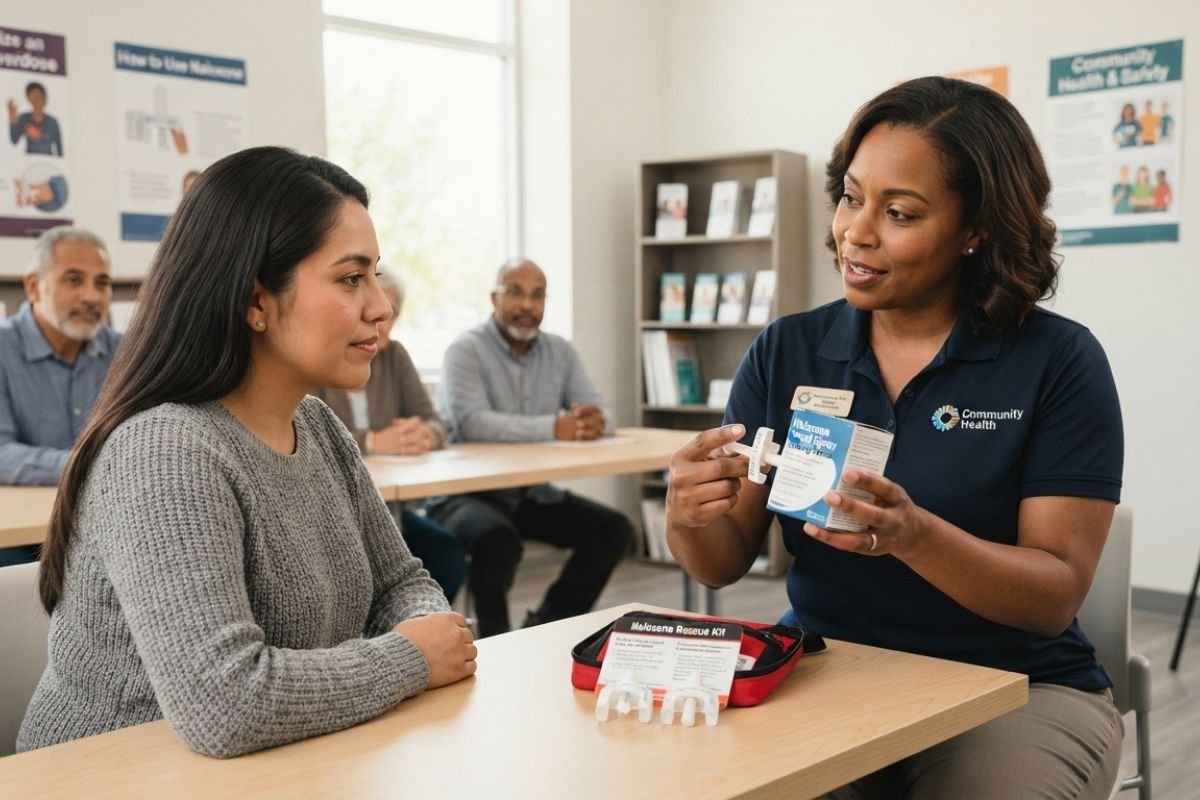
Overdose prevention and naloxone education for prescription opioid addiction treatment
Treatment Duration

How Long Does Prescription Opioid Addiction Treatment Last?

Treatment Duration = Needs + Response + Reassessment

There is no universal treatment length.

Some people may spend time in residential care and then transition to outpatient treatment.

Others may receive medication and medical follow-up entirely in the community.

Medications for OUD may continue for months, years, or longer when they remain beneficial. SAMHSA notes that these medications can be used long term and should not be stopped solely because an arbitrary treatment deadline has been reached. SAMHSA

Treatment should be individualized according to progress, safety, health, pain needs, recovery environment, and personal goals.

Program Verification

How to Choose a Prescription Opioid Treatment Program

A treatment provider should be able to explain how it assesses opioid use disorder and how it distinguishes addiction from physical dependence.

MOUD Access

Ask whether the program provides or coordinates buprenorphine, methadone, and naltrexone when appropriate.

Pain Care

Ask how ongoing pain treatment will be coordinated rather than simply discontinued.

Mental Health

Ask how co-occurring psychiatric and behavioral-health concerns are addressed.

Overdose Safety

Ask how the program handles naloxone education, withdrawal, and overdose risk.

Continuing Care

Ask how medication and support continue after the initial phase of treatment.

“How will you treat my opioid use disorder while also addressing any ongoing pain or medical needs?”
Coverage

Does Insurance Cover Prescription Opioid Addiction Treatment?

Insurance may cover some or many components of prescription opioid OUD treatment, but coverage varies by plan.

Treatment Benefits
Medication Benefits

Residential rehab, outpatient care, physician services, opioid treatment programs, counseling, mental health care, and prescription medications can be processed differently.

Network status, prior authorization, deductible, copayments, coinsurance, and medication formularies can all affect patient cost.

Readers can use the site's verify insurance for rehab resource to explore potential benefits or read about how much rehab costs when comparing treatment expenses.

Insurance verification does not guarantee authorization, admission, payment, or a specific out-of-pocket cost.
FAQ

Frequently Asked Questions About Prescription Opioid Addiction Treatment

Can someone become addicted to opioids that were legitimately prescribed?

Yes. Prescription opioids can be medically appropriate and still carry risks of dependence, misuse, OUD, and overdose. CDC

Is physical dependence the same as prescription opioid addiction?

No. Physical dependence can cause withdrawal when opioids are reduced or stopped. OUD involves a broader pattern of problematic opioid use causing significant impairment or distress.

What medications treat prescription opioid addiction?

FDA-approved medications for OUD include buprenorphine, methadone, and naltrexone. U.S. Food and Drug Administration

Do I have to stop my prescription opioid immediately?

Someone who is physically dependent should not abruptly stop long-term opioid medication based on general online information. CDC recommends individualized decisions and generally advises against rapid tapering or abrupt discontinuation unless there is an immediate life-threatening concern. CDC

Is detox enough to treat prescription opioid addiction?

No. Withdrawal management may be one part of treatment, but CDC recommends evidence-based medication treatment rather than detoxification alone for OUD. CDC

Can pain still be treated if someone has OUD?

Yes. People with both pain and OUD still need appropriate pain management. CDC recommends coordinated care that addresses both conditions. CDC

Does prescription opioid addiction always require inpatient rehab?

No. Treatment can occur in residential, outpatient, primary-care, addiction-medicine, and opioid-treatment-program settings depending on the person's needs.

Can buprenorphine treat addiction to oxycodone or hydrocodone?

Yes. Buprenorphine is an FDA-approved medication for OUD and is used for OUD involving prescription opioids.

Can counterfeit prescription pills contain fentanyl?

Yes. Counterfeit pills in the unregulated drug supply may contain illegally manufactured fentanyl. CDC

What should I do if I think someone is overdosing?

Give naloxone if available and call 911 immediately.

Explore Care

Explore Prescription Opioid Addiction Treatment Options

You do not need to determine by yourself whether medication, detox, inpatient rehab, outpatient care, or another treatment setting is the right starting point.

Treatment can be explored based on prescription opioid use, withdrawal, pain needs, overdose risk, physical and mental health, recovery environment, location, and insurance circumstances.

Find Drug Rehab Options provides educational and treatment-matching information. We do not diagnose opioid use disorder, prescribe medications, manage opioid tapers, or provide medical treatment. Exploring options does not guarantee treatment placement or insurance coverage.
Written By: Find Drug Rehab Options Editorial Team
Last Updated: September 2026
Important Information

Medical and Emergency Disclaimer

This page provides general educational information about prescription opioids, opioid use disorder, withdrawal, medication treatment, rehab, and overdose prevention.

It should not be used to diagnose OUD, determine a medication dose, stop a prescription opioid suddenly, design a taper, or make an individualized pain-treatment decision.

Questions about opioid medications, withdrawal, chronic pain, pregnancy, mental health, or addiction treatment should be discussed with an appropriately qualified healthcare professional.

If someone may be experiencing an opioid overdose in the United States, give naloxone if available and call 911 immediately.

For a mental health, suicide, or substance-use crisis in the United States, call or text 988.