Home → Benzodiazepine Addiction Treatment
Benzodiazepine Use & Withdrawal Care

Benzodiazepine Addiction Treatment: Withdrawal Care, Rehab, and Recovery

Benzodiazepines are prescription medications used for conditions such as anxiety, panic disorders, insomnia, seizures, and certain other medical problems. Common examples include alprazolam (Xanax), clonazepam (Klonopin), lorazepam (Ativan), diazepam (Valium), and temazepam.

These medications can be beneficial when used appropriately, but regular use can lead to physical dependence, and some people develop problematic use or a benzodiazepine-related substance use disorder.

Treatment requires particular care because benzodiazepines should not simply be stopped suddenly after regular use. FDA warns that abrupt discontinuation or reducing the dose too quickly can cause serious withdrawal reactions, including potentially life-threatening seizures. FDA

Treatment may involve clinically supervised medication reduction, behavioral therapy, treatment for anxiety or insomnia, inpatient or outpatient addiction care, and ongoing recovery support.

Find Drug Rehab Options provides educational information and treatment-navigation support. We do not diagnose substance use disorders, prescribe medication, or provide benzodiazepine tapering instructions.
Adult discussing benzodiazepine addiction treatment with a behavioral health professional
Safe benzodiazepine treatment starts with withdrawal risk, medical history, and the reason the medication was originally prescribed.
Quick Answer

How Is Benzodiazepine Addiction Treated?

Benzodiazepine addiction treatment usually combines safe withdrawal management with treatment for the behavioral and mental-health factors connected to benzodiazepine use.

For someone who is physically dependent, the medication generally needs to be reduced gradually under clinical supervision rather than stopped abruptly. The pace and setting should be individualized according to the medication, duration of use, health conditions, other substances, withdrawal history, and patient response. ASAM

Treatment may also include cognitive behavioral therapy, therapy for anxiety or insomnia, substance use counseling, psychiatric care, residential rehab, outpatient treatment, or other recovery services.

For a broader explanation of assessment and treatment planning, see how rehab works.

Dependence vs Addiction

What Is Benzodiazepine Addiction?

Benzodiazepines slow activity in the central nervous system and can produce calming, sedating, or anticonvulsant effects.

Regular use can cause physical dependence, meaning the body has adapted to the medication and withdrawal may occur if it is suddenly reduced or stopped.

Physical dependence does not automatically mean someone is addicted.

ASAM's current benzodiazepine guideline specifically emphasizes the need to distinguish physical dependence from benzodiazepine use disorder when planning care. ASAM

Addiction involves a broader pattern of problematic use. Someone may take more medication than intended, repeatedly struggle to cut back, experience strong urges to use, continue despite harm, obtain benzodiazepines outside normal medical care, or allow use to interfere with responsibilities, relationships, or safety.

A person who takes a benzodiazepine exactly as prescribed and has developed physical dependence may need careful medication management without necessarily having an addiction.

U.S. Prescription Benzodiazepine Data

How Common Is Benzodiazepine Misuse?

22.3 million people aged 12 or older used prescription benzodiazepines during the past year in 2025.
3.3 million people misused prescription benzodiazepines during that same year.

SAMHSA's 2025 National Survey on Drug Use and Health estimated that about 22.3 million people aged 12 or older used prescription benzodiazepines during the past year.

Approximately 3.3 million people misused prescription benzodiazepines during that same year. SAMHSA

SAMHSA defines prescription-drug misuse as using medication in a way not directed by a doctor, such as taking medication without one's own prescription, taking larger amounts, using it more often or longer than instructed, or otherwise using it differently from medical directions. SAMHSA

Important distinction: These figures describe misuse, not necessarily addiction. Not every person who misuses a benzodiazepine meets criteria for a substance use disorder.
Starting Care

How Does Benzodiazepine Treatment Begin?

Treatment should begin with a clinical assessment.

A healthcare professional may review which benzodiazepine is being used, how long it has been taken, whether it was prescribed, previous attempts to reduce use, withdrawal symptoms, seizure history, alcohol or opioid use, physical health, mental health, medications, and previous addiction treatment.

The original reason for taking benzodiazepines also matters.

For example, someone who was prescribed medication for panic disorder, chronic anxiety, insomnia, or seizures may still need treatment for that condition while benzodiazepine use is being addressed.

The goal should not simply be to remove a medication without considering why the medication was being used.

Clinician assessing benzodiazepine treatment needs with an adult patient
Assessment
Withdrawal Risk
Individual Treatment Plan
Therapy & Stabilization
Continuing Care
Withdrawal Safety

Why Benzodiazepine Withdrawal Needs Medical Attention

Do Not Stop Regular Benzodiazepine Use Suddenly Without Medical Guidance.

Benzodiazepine withdrawal can be medically serious.

Possible symptoms include increased anxiety, insomnia, irritability, tremor, sweating, difficulty concentrating, sensory changes, nausea, muscle discomfort, or agitation.

More severe withdrawal can involve seizures, delirium, or other serious complications.

FDA warns that physical dependence can develop even when benzodiazepines are used as prescribed and that abruptly stopping or reducing them too quickly can lead to serious withdrawal reactions. FDA

ASAM's 2025 guideline similarly advises that people who have taken benzodiazepines regularly for more than a month should generally not stop abruptly and instead require gradual, individualized clinical management. ASAM

For this reason, this page does not include a day-by-day taper schedule, percentage reduction schedule, or do-it-yourself detox instructions.

The site's drug detox programs guide can provide broader information about professional withdrawal-management services.

Anxiety Insomnia Tremor Seizure Risk

Clinical benzodiazepine withdrawal safety and treatment planning
Withdrawal vs Ongoing Care

Is Benzodiazepine Detox the Same as Addiction Treatment?

No.

Medical Safety

Withdrawal Management

Withdrawal management focuses primarily on reducing immediate medical risks and helping the person safely transition away from physical dependence when discontinuation is appropriate.

Broader Recovery

Ongoing Addiction Treatment

Addiction treatment addresses the broader reasons benzodiazepines became problematic.

Someone may still need help with anxiety, panic attacks, insomnia, trauma, depression, other substance use, coping strategies, relationships, or habits connected to medication use.

For people with a benzodiazepine use disorder, ASAM recommends treating the underlying substance use disorder and co-occurring conditions alongside benzodiazepine management rather than viewing tapering as the entire treatment plan. ASAM

There Is No One-Size-Fits-All Taper

Is There a Standard Benzodiazepine Taper?

No.

FDA states that there is no standard benzodiazepine tapering schedule suitable for every patient. The plan should be individualized and adjusted according to the person's clinical response. FDA

Factors that can affect treatment include the particular benzodiazepine, duration of use, physical dependence, other medications, mental health, alcohol or opioid use, prior withdrawal experiences, seizure history, and medical conditions.

Current ASAM guidance also emphasizes shared decision-making between the patient and clinician. ASAM

Benzodiazepine reduction should be individualized and medically supervised rather than copied from a generic online schedule.
Behavioral & Mental-Health Treatment

What Therapy Is Used for Benzodiazepine Addiction?

Therapy can play an important role during and after benzodiazepine treatment.

CBT

CBT can help people identify patterns of thinking and behavior connected to anxiety, panic symptoms, stress, or medication use.

ASAM's current guideline recommends offering behavioral interventions such as CBT alongside benzodiazepine tapering when appropriate. ASAM

CBT-I

For someone whose benzodiazepine use is connected to sleep problems, CBT-I may help address insomnia without relying solely on sedating medications.

ASAM specifically includes CBT-I among behavioral approaches that can be offered during benzodiazepine reduction. ASAM

Substance Use Counseling

Treatment may also address cravings, emotional triggers, trauma, relationships, other substance use, and recovery planning.

When anxiety, depression, PTSD, or another mental health condition occurs alongside problematic benzodiazepine use, the dual diagnosis treatment guide can provide additional information.

Therapy session during benzodiazepine addiction treatment
Level of Care

Inpatient vs. Outpatient Benzodiazepine Treatment

Community-Based

Outpatient Care

Many people can receive benzodiazepine treatment in outpatient settings.

ASAM states that benzodiazepine tapering can typically be managed outpatient, provided the person's medical, psychiatric, and withdrawal risks can be treated safely there. ASAM

Outpatient care may include medical appointments, medication management, therapy, psychiatric treatment, and monitoring while the person continues living at home.

The outpatient drug rehab guide explains community-based levels of addiction treatment.

Higher Monitoring

Inpatient / Residential Care

Inpatient or residential treatment may be considered when someone is at risk for severe or complicated withdrawal, has unstable medical or mental health conditions, has experienced withdrawal seizures or delirium, has had overdose or other serious harm, or cannot safely complete treatment in an outpatient environment. ASAM

The site's inpatient drug rehab resource explains structured treatment settings in more detail.

A person may also begin treatment inpatient and later transition to outpatient care.

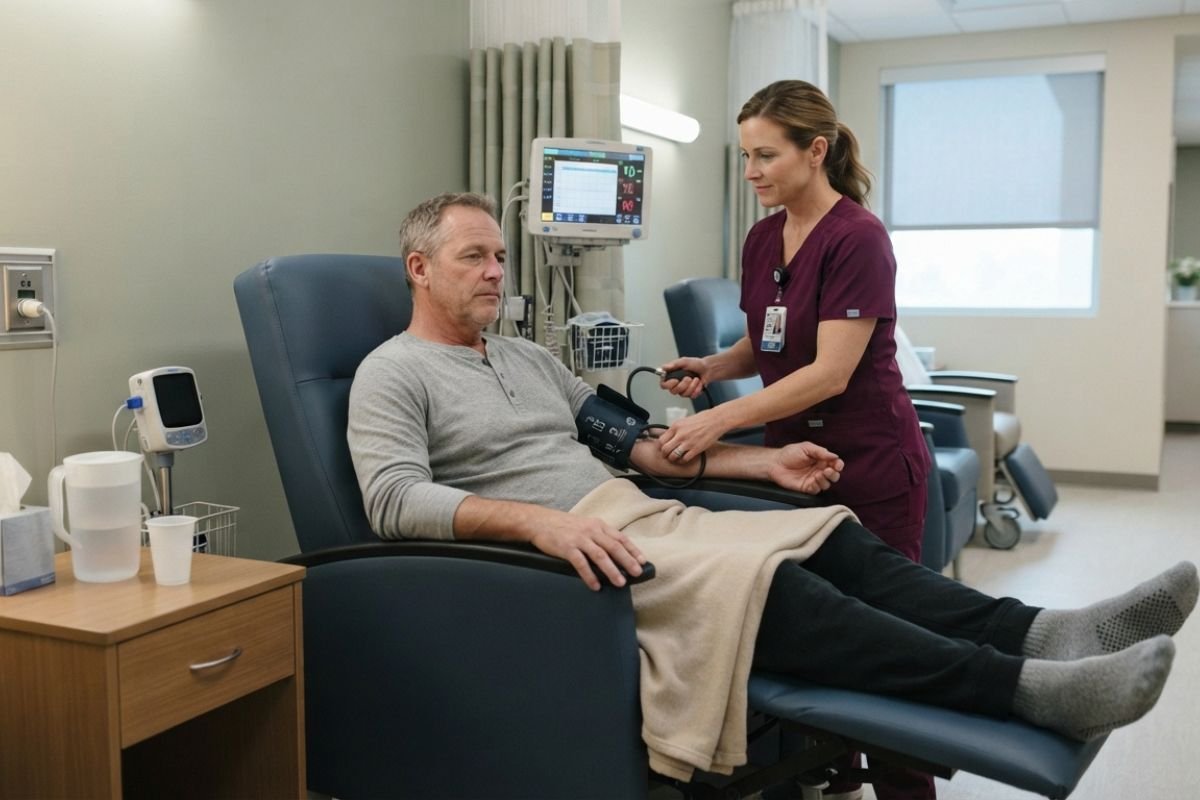
Comparison of inpatient and outpatient benzodiazepine treatment
Underlying Conditions

Why Anxiety and Insomnia Matter During Recovery

Many people originally begin benzodiazepines because they are experiencing anxiety, panic attacks, insomnia, trauma symptoms, or another legitimate medical problem.

If those symptoms are not addressed during treatment, stopping or reducing the benzodiazepine can leave the person without an effective strategy for managing the original problem.

Modern treatment therefore needs to consider both benzodiazepine use and the condition that contributed to it.

Depending on the individual, care may involve CBT, CBT-I, psychiatric treatment, non-benzodiazepine medications when clinically appropriate, mindfulness-based approaches, or other evidence-based interventions.

This is an important reason benzodiazepine treatment should not be reduced to “detox and discharge.”

Benzodiazepine Use
Underlying Condition
Integrated Treatment
Combination Risk

Benzodiazepines, Opioids, and Alcohol

Benzodiazepines + Opioids + Alcohol = Higher Risk

Combining benzodiazepines with opioids, alcohol, or other central nervous system depressants can substantially increase risk.

FDA warns that benzodiazepines used together with opioids can contribute to severe respiratory depression, overdose, coma, and death. FDA

Alcohol can also intensify sedation and other dangerous central nervous system effects.

If someone uses opioids as well as benzodiazepines, the treatment team should know about both substances.

Importantly, benzodiazepine use should not automatically be used as a reason to withhold methadone or buprenorphine treatment for opioid use disorder. ASAM notes that untreated OUD can present greater harm, although combined use requires careful clinical management. ASAM

Readers with opioid-related concerns can continue to the opioid addiction treatment guide.

Medication-Specific Resource

What About Xanax Addiction?

Alprazolam, commonly known by the brand name Xanax, is one of the better-known benzodiazepines.

The general principles of safe benzodiazepine treatment still apply: physical dependence should be distinguished from addiction, withdrawal risk needs clinical assessment, and abrupt discontinuation after regular use can be dangerous.

Because Xanax has its own search intent and medication-specific questions, readers can continue to the site's Xanax addiction treatment guide for more focused information.

Treatment Duration

How Long Does Benzodiazepine Treatment Take?

Treatment Length = Medication History + Withdrawal Response + Mental Health + Recovery Needs

There is no universal treatment duration.

Benzodiazepine withdrawal management can take longer for some people than others, and the pace may need to change based on symptoms and response.

ASAM's guideline emphasizes a patient-centered approach, including adjusting the plan when symptoms become difficult rather than forcing everyone through the same timeline. ASAM

Addiction treatment may continue after medication reduction through therapy, mental-health treatment, outpatient care, peer support, or other recovery services.

A longer treatment process should not automatically be interpreted as treatment failure.

Program Verification

How to Choose a Benzodiazepine Addiction Treatment Program

A benzodiazepine treatment program should understand that this substance requires different withdrawal planning from many other drugs.

✓

Withdrawal Safety

Ask how the program assesses seizure and withdrawal risk.

✓

Individualized Tapering

Ask whether tapering decisions are individualized rather than based on one fixed detox schedule.

✓

Mental Health Treatment

Ask how anxiety, panic, insomnia, PTSD, or other conditions will be treated.

✓

Polysubstance Assessment

Ask how alcohol, opioid, and other substance use are assessed because combinations can change safety risks.

✓

Continuing Care

Ask what care remains available after withdrawal management or the initial rehab phase.

“How does your program distinguish physical dependence from addiction and decide whether outpatient or inpatient withdrawal management is appropriate?”

The answer should involve individualized clinical assessment rather than a standard package offered to every patient.

Coverage

Does Insurance Cover Benzodiazepine Addiction Treatment?

Insurance may cover benzodiazepine addiction treatment, but benefits vary by policy.

Withdrawal Care
Ongoing Treatment

Medical withdrawal management, residential treatment, outpatient services, psychiatric care, therapy, and medication-management visits may each have different coverage requirements.

Network status, prior authorization, medical necessity, deductibles, copayments, and coinsurance can affect patient cost.

Readers can use the verify insurance for rehab resource to explore potential benefits and review how much rehab costs for broader payment information.

Insurance verification does not guarantee authorization, admission, payment, or a specific out-of-pocket cost.
FAQ

Frequently Asked Questions About Benzodiazepine Addiction Treatment

Is benzodiazepine addiction treatable?

Yes. Treatment may include medically supervised withdrawal management, behavioral therapy, mental-health treatment, different levels of rehab, and ongoing recovery services.

Is benzodiazepine dependence the same as addiction?

No. Physical dependence can occur during regular prescribed use. Addiction involves a broader pattern of problematic use and impairment. Current ASAM guidance specifically emphasizes this distinction. ASAM

Is it dangerous to stop benzodiazepines suddenly?

It can be. FDA warns that abrupt discontinuation or rapid dose reduction can cause serious withdrawal reactions, including seizures. FDA

Does everyone need inpatient benzo detox?

No. ASAM states that many benzodiazepine tapers can be managed outpatient. Inpatient care may be appropriate when severe withdrawal, significant medical or psychiatric instability, or serious safety risks are present. ASAM

What therapy helps during benzodiazepine treatment?

CBT may help address anxiety and problematic medication-use patterns, while CBT-I may be useful when insomnia is part of the problem. ASAM recommends behavioral interventions tailored to the person's underlying condition. ASAM

Is there one standard benzo taper schedule?

No. FDA states that no standard tapering schedule is appropriate for every patient. Treatment should be individualized. FDA

Can Xanax cause physical dependence?

Yes. Xanax is alprazolam, a benzodiazepine, and regular benzodiazepine use can lead to physical dependence.

Can benzodiazepines be dangerous with opioids?

Yes. Combining benzodiazepines with opioids increases the risk of severe sedation, respiratory depression, overdose, and death. FDA

Can anxiety still be treated after benzodiazepines?

Yes. Treatment may include psychotherapy and other medical or behavioral options based on the person's diagnosis and clinical needs.

What should I do during severe benzodiazepine withdrawal?

Seizures, severe confusion, loss of consciousness, breathing problems, or another medical emergency require immediate emergency care.

Explore Care

Explore Benzodiazepine Addiction Treatment Options

You do not need to decide by yourself whether outpatient withdrawal care, inpatient treatment, therapy, psychiatric care, or another option is the appropriate starting point.

Treatment can be explored based on the benzodiazepine involved, duration and pattern of use, withdrawal history, physical and mental health, other substances, living environment, location, and insurance.

Find Drug Rehab Options provides educational and treatment-navigation information. We do not diagnose benzodiazepine use disorder, prescribe medication, create taper schedules, or provide medical treatment. Exploring treatment options does not guarantee admission or insurance coverage.
Written By: Find Drug Rehab Options Editorial Team
Last Updated: September 2026
Important Information

Medical and Emergency Disclaimer

This page provides general educational information about benzodiazepine use, dependence, addiction, withdrawal, treatment, and recovery.

It is not medical advice and should not be used to stop benzodiazepines, determine a dose reduction, design a taper, or replace individualized medical care.

People taking benzodiazepines regularly should discuss medication changes with a qualified healthcare professional.

If someone experiences a seizure, severe confusion, loss of consciousness, difficulty breathing, or another medical emergency in the United States, call 911 immediately.

For a mental health, suicide, or substance-use crisis, call or text 988.