
Inpatient Drug & Alcohol Rehab: What to Expect and How Residential Treatment Works
Inpatient and residential addiction treatment provide a structured environment where a person stays at a treatment facility instead of returning home after scheduled services. Hospital-based inpatient care and residential treatment are not exactly the same thing, and the right level of care should depend on an individual assessment.
Residential treatment may include individual counseling, group treatment, medication management, mental health services, recovery education, case management, structured daily activities, and continuing-care planning.

What Is Inpatient Drug Rehab?
Inpatient drug rehab generally refers to addiction treatment in which a person stays in a treatment setting rather than returning home each day. In everyday use, the term is often used broadly for both hospital-based inpatient care and residential rehab. Clinically, however, the two can involve different medical capabilities and treatment intensity.
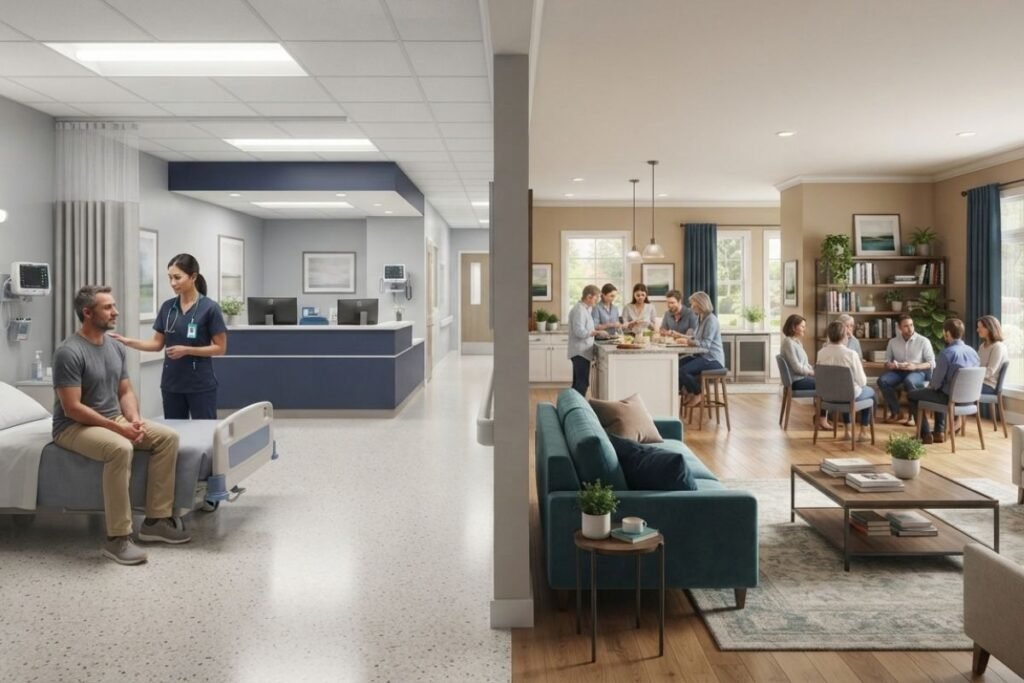
Hospital-based inpatient addiction treatment is the most medically intensive setting, while residential programs provide 24-hour living support with varying levels of clinical care. ASAM's current continuum distinguishes these treatment settings rather than treating all “inpatient rehab” as one category.
Are Inpatient Rehab and Residential Rehab the Same?
Not exactly. The terms are often used interchangeably online, but clinically there can be an important difference.
Hospital-Based Inpatient Care
Hospital inpatient addiction treatment provides a high level of medical capability within a hospital setting. It may be appropriate when someone has significant medical complications, withdrawal risks, psychiatric instability, or other conditions requiring hospital-level management. ASAM identifies Level 4 as hospital-based inpatient care.
Residential Treatment
Residential treatment provides a 24-hour living environment outside the full hospital level. Residential programs may focus heavily on addiction counseling, behavioral treatment, structured recovery activities, medication services, mental health care, and preparation for continuing treatment.
| Hospital-Based Inpatient | Residential Treatment |
|---|---|
| Hospital environment | Residential treatment environment |
| Greater medical intensity | Lower medical intensity than hospital-level care |
| May manage complex acute needs | Structured 24-hour addiction treatment |
| Medical services central to care | Therapy and recovery structure often central |
| Not identical to all rehab centers | Capabilities vary by residential level |
Who Might Be Considered for Inpatient or Residential Rehab?
A website cannot determine whether someone needs inpatient treatment. That decision should be based on an appropriate clinical assessment. ASAM uses multiple dimensions when matching someone to a level of care, including withdrawal risk, physical health, psychiatric needs, substance-use risks, recovery environment, and person-centered considerations.
Difficulty Staying Safe in the Current Environment
The home or social environment may make continued high-risk substance use difficult to avoid.
Need for 24-Hour Residential Support
Some people may benefit from a structured living environment with access to treatment and support throughout the day and night.
Significant Functional Problems
Substance use, psychiatric symptoms, or related problems may be seriously disrupting everyday functioning.
Co-Occurring Mental Health Needs
Mental health symptoms may affect the treatment setting and services required.
Previous Treatment Difficulties
Past outpatient experiences can be relevant, but returning to use does not automatically mean inpatient care is required.
Medical or Withdrawal Concerns
Some people need a more medically intensive setting because of withdrawal, physical illness, or psychiatric complications.

What Happens Before You Enter Residential Rehab?
Initial Contact
Admissions may ask about substance use, location, insurance, mental health, safety, and what type of help is being sought.
Clinical Assessment
A fuller review can include withdrawal risk, physical health, psychiatric symptoms, medications, past treatment, environment, and goals.
Level-of-Care Decision
The assessment helps determine whether residential, hospital-based inpatient, outpatient, or another level of care may be appropriate.
Admission & Planning
If appropriate, admission may include orientation, medication review, belongings review, paperwork, and treatment planning.
Do You Need Detox Before Inpatient Rehab?
Not everyone entering residential treatment requires a separate detox program. Whether withdrawal management is needed depends on the substance, physical dependence, recent use, previous withdrawal, medical conditions, medications, and other risk factors.
Withdrawal Management
Some facilities provide withdrawal-management services themselves. Others require patients who need detox to complete that phase at another facility first.
Residential Treatment
Detox addresses withdrawal. Residential rehab addresses broader addiction-treatment needs such as counseling, medication services, mental health care, and recovery planning.

What Is a Typical Day in Inpatient Rehab Like?
Residential addiction treatment is usually structured, but there is no universal daily schedule. A typical day may include meals, medication services, individual counseling, group treatment, education, case management, recovery planning, wellness activities, and personal time.
What Happens in Individual Counseling?
Individual counseling provides one-to-one time with a treatment professional. Sessions may address substance-use patterns, cravings, triggers, emotions, motivation, relationships, stress, mental health, recovery goals, and preparation for life outside the facility.

What Role Does Group Therapy and Evidence-Based Treatment Play?
Group treatment is common in residential addiction programs. Groups may focus on addiction education, coping skills, communication, behavior change, recovery planning, emotional regulation, relapse prevention, or other treatment goals. Clinical group treatment is generally led by treatment professionals and is different from a peer-support meeting.
Learn
Programs may teach addiction education, emotional awareness, communication, relapse prevention, and recovery principles.
Practice
Residents may apply coping skills, problem-solving, and behavioral tools during therapy and daily recovery activities.
Apply
The goal is to use those skills beyond the facility, including during continuing care and everyday life.
What Therapies May Be Used in Residential Treatment?
Cognitive Behavioral Approaches
Help identify connections among thoughts, emotions, behaviors, triggers, and substance use.
Motivational Approaches
Support people who feel uncertain about change and help strengthen personal motivation.
Contingency Management
Some programs use structured incentives tied to treatment goals or objectively measured behavior.
Skills-Based Approaches
May focus on coping, problem-solving, emotional regulation, communication, and practical recovery skills.
Trauma-Informed Care
Recognizes that trauma may affect treatment needs and aims to avoid unnecessary retraumatization.
Family Services
Family counseling or education may be included when appropriate.
Can Medications Be Used During Residential Rehab?
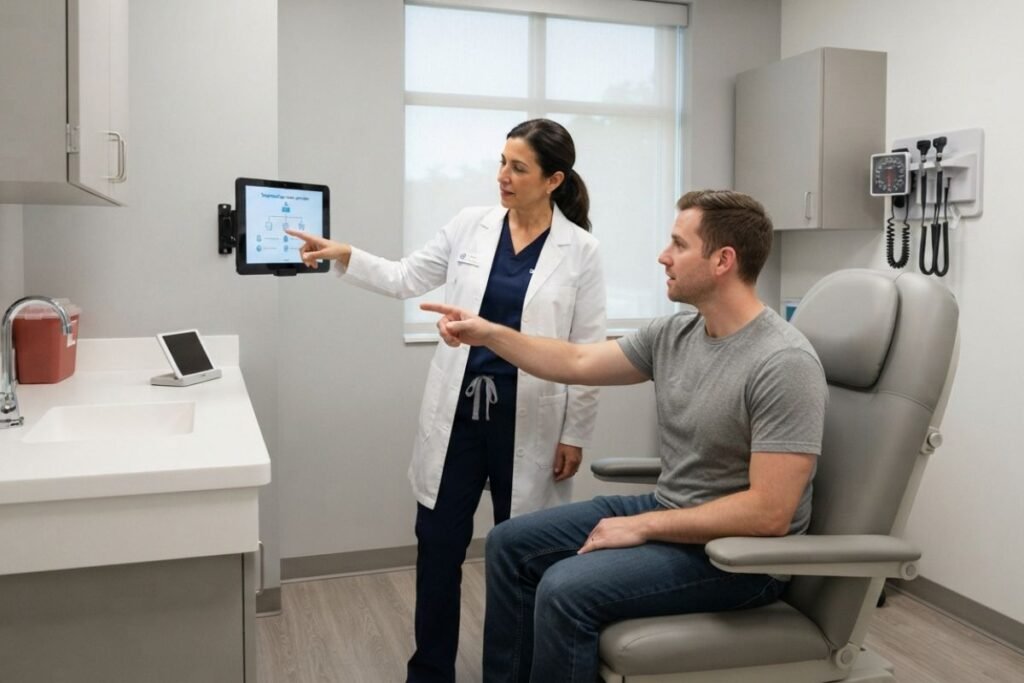
Yes. Medication may be used for substance use disorders, withdrawal, mental health conditions, or other medical needs. For opioid use disorder, evidence-based medications include buprenorphine, methadone, and naltrexone.
SAMHSA notes that buprenorphine, methadone, and naltrexone are used to treat opioid use disorder and that treatment can continue for months, years, or longer depending on individual circumstances.
What If Mental Health Conditions Are Also Present?
Some people entering residential rehab also experience depression, anxiety, PTSD, bipolar disorder, ADHD, psychotic symptoms, or other mental health concerns. ASAM's current standards state that addiction-treatment programs should be capable of addressing co-occurring conditions alongside substance use disorder treatment.
How Long Is Inpatient or Residential Rehab?
There is no universal correct length. Programs may advertise 30-day stays, 60-day stays, 90-day stays, or longer treatment, but the appropriate duration should not be decided by a marketing package alone. Treatment length may be influenced by clinical needs, progress, substance use, mental health, physical health, recovery environment, insurance authorization, and the next level of care.
NIDA's longstanding treatment principles emphasize that adequate treatment duration is important and have reported that participation lasting less than 90 days in residential or outpatient treatment is generally of limited effectiveness. That should not be interpreted as meaning every patient needs 90 consecutive days of residential care.
Can You Take Leave From Work for Inpatient Rehab?
Some employees may qualify for job-protected leave under the Family and Medical Leave Act (FMLA). For eligible employees of covered employers, FMLA can provide unpaid, job-protected leave for qualifying serious health conditions. Current U.S. Department of Labor guidance states that treatment for substance use can qualify when FMLA requirements are met and the treatment is provided by a healthcare provider or on referral from one.
FMLA Eligibility Is Not Automatic
- Working for a covered employer
- At least 12 months of employment
- At least 1,250 hours worked during the previous 12 months
- Working at a location where the employer has at least 50 employees within 75 miles

Can Family Members Visit During Inpatient Rehab?
Family involvement varies substantially among treatment programs. A facility may offer family therapy, education sessions, scheduled phone calls, visitation, video contact, or discharge-planning meetings. Some programs place limits on outside communication during certain phases of treatment.
Ask Before Admission
- When can family visit?
- Are phones permitted?
- Is family counseling available?
- How is patient privacy handled?
- How will family participate in discharge planning?
What Should You Bring?
Commonly requested items may include comfortable clothing, basic toiletries, insurance information, identification, approved medications or medication information, and necessary contact details. Ask the specific facility for its current packing list and communication policy before arrival.
Policies vary widely. Facilities can restrict weapons, alcohol or drugs, certain medications, electronics, products containing alcohol, or other items.

How Much Does Residential Rehab Cost?
There is no reliable single nationwide price for inpatient or residential addiction treatment. Costs can vary according to level of care, length of stay, staffing, medical services, mental health services, medications, room type, location, amenities, and insurance contracts.
Does Insurance Cover Inpatient Rehab?
Health insurance may provide substance use disorder benefits, but coverage depends on the plan, provider network, level of care, medical-necessity criteria, prior authorization, deductible, copayment, coinsurance, and other policy rules. Marketplace plans cover mental health and substance use disorder services as essential health benefits, including behavioral-health inpatient services, but actual benefits vary by plan.
Coverage
Plans may provide substance use disorder benefits, but the exact covered services still vary.
Network
Whether a facility is in-network can significantly affect authorization and what you may personally owe.
Patient Responsibility
Even with coverage, the patient may still have a deductible, copayment, coinsurance, or other costs.
Verification of benefits does not guarantee authorization, admission, payment, treatment duration, or a specific out-of-pocket cost.
How Is Inpatient Rehab Different From Outpatient Treatment?
| Residential / Inpatient | Outpatient |
|---|---|
| Person stays in treatment setting | Person generally lives at home |
| Greater daily structure | Treatment occurs during scheduled sessions |
| Recovery environment is controlled | Daily outside environment continues |
| May offer 24-hour residential support | Support available during program hours |
| Work or school usually interrupted | Work or school may sometimes continue |
| More intensive setting | Multiple outpatient intensity levels exist |
Inpatient Rehab Should Prepare for What Comes Next
Residential treatment should not be treated as a self-contained cure. The next phase may involve partial hospitalization, intensive outpatient treatment, standard outpatient counseling, medication management, mental health services, recovery housing, peer support, primary healthcare, or another appropriate service.
ASAM emphasizes repeated reassessment and transitions through levels of care rather than treating discharge from one program as the end of treatment.
Outpatient Drug Rehab · Dual Diagnosis Treatment · Medication-Assisted Treatment · Drug Detox Programs
What Should You Look for in Residential Addiction Treatment?
Appropriate Level of Care
Ask why residential treatment is being recommended for this specific situation.
Licensing
Ask whether the facility is appropriately licensed for the services it provides.
Qualified Staff
Find out who provides medical care, therapy, psychiatric services, medication treatment, and case management.
Evidence-Based Treatment
The program should be able to explain its clinical approaches.
Medication Access
If opioid or alcohol use disorder is involved, ask how appropriate medications are provided.
Mental Health Capability
Ask how co-occurring psychiatric needs are assessed and treated.
Emergency Procedures
The program should have a clear plan when medical or psychiatric needs exceed its capability.
Continuing Care
Ask exactly what happens after residential treatment.
Questions to Ask an Inpatient or Residential Rehab
- What exact level of care does your program provide?
- Is this hospital-based inpatient care or residential treatment?
- How is the recommended level of care determined?
- Do you provide withdrawal management?
- What medical staff are on-site?
- Is psychiatric care available?
- How often is individual therapy provided?
- What group therapies are used?
- Are medications for opioid or alcohol use disorder available?
- How are existing medications handled?
- How do you treat co-occurring mental health conditions?
- What is the typical daily schedule?
- What are your phone and visitation rules?
- How is family involved?
- What determines how long someone stays?
- How often is progress reassessed?
- What happens if someone needs a higher medical level of care?
- What continuing-care services are arranged after discharge?
- Are you in-network with my specific insurance plan?
- What is my estimated out-of-pocket responsibility?
Explore Inpatient and Residential Treatment Options
You do not need to determine the correct level of care by yourself before starting your search. Explore residential treatment, withdrawal management, outpatient care, dual diagnosis services, medication-based treatment, and other options based on your circumstances.
Exploring options does not guarantee admission, a particular treatment recommendation, insurance authorization, or a specific patient cost.
Frequently Asked Questions About Inpatient Rehab
Is inpatient rehab the same as residential rehab?
Not exactly. The terms are often used broadly, but ASAM distinguishes hospital inpatient care from residential treatment. Hospital inpatient treatment has hospital-level medical capability; residential programs provide 24-hour living support at lower medical intensity.
Do you live at inpatient rehab?
In residential treatment, yes. The person stays in the treatment environment rather than returning home after daily services.
Do you need detox before inpatient rehab?
Not always. Some people need withdrawal management first, while others can enter residential addiction treatment without a separate detox phase.
How long does inpatient rehab last?
There is no universal length. Programs may use 30-, 60-, or 90-day structures, but duration should depend on treatment needs, progress, reassessment, available continuing care, and other factors.
Is 90 days of rehab better than 30 days?
NIDA has long reported that treatment engagement of less than 90 days in residential or outpatient care is generally of limited effectiveness, but that does not mean every individual needs 90 consecutive residential days. Treatment can continue across different settings.
What do you do all day in residential rehab?
A typical schedule may include counseling, groups, education, medication appointments, case management, meals, wellness activities, and recovery planning. Actual schedules vary.
Can I work while in inpatient rehab?
Normal work is usually difficult while living at a residential facility. Some eligible employees may qualify for FMLA leave for qualifying substance-use treatment, but eligibility requirements apply.
Can I use my cell phone?
That depends entirely on the facility. Some allow limited access; others restrict phones during parts of treatment.
Can family visit?
Policies vary. Programs may offer visits, phone contact, family therapy, education, or discharge-planning sessions.
Can medications be used during inpatient rehab?
Yes. Medication may be used for substance use disorders, mental health conditions, withdrawal, or other medical needs.
Does residential rehab treat mental health conditions?
Some programs offer integrated mental-health services. Ask specifically what psychiatric and mental-health capabilities the facility provides.
How much does inpatient rehab cost?
There is no single nationwide price. Cost depends on level of care, program length, services, location, insurance arrangements, and other factors.
Does insurance cover inpatient rehab?
Health insurance may cover residential or inpatient substance-use treatment, but authorization, network status, deductibles, coinsurance, and other plan rules can affect coverage and patient responsibility. Marketplace plans include inpatient behavioral-health and substance use disorder services among essential health benefits.
What happens after inpatient rehab?
Many people transition to outpatient treatment, medication management, mental health care, recovery housing, peer support, or other continuing services.
How do I choose an inpatient rehab center?
Ask about level of care, licensing, staff qualifications, medical capability, therapy, medications, mental-health services, emergency procedures, insurance, and continuing care.
Important Information
The health information on this page is provided for general educational purposes and is not a substitute for professional medical advice, diagnosis, treatment, or an individualized level-of-care assessment.
The employment information concerning FMLA is general educational information and is not legal advice. Eligibility depends on the employee, employer, treatment circumstances, and applicable law.
If someone in the United States may be experiencing an overdose, difficulty breathing, loss of consciousness, seizures, or another medical emergency, call 911 immediately. If someone is experiencing a mental health, suicide, or substance-use crisis, call or text 988.